
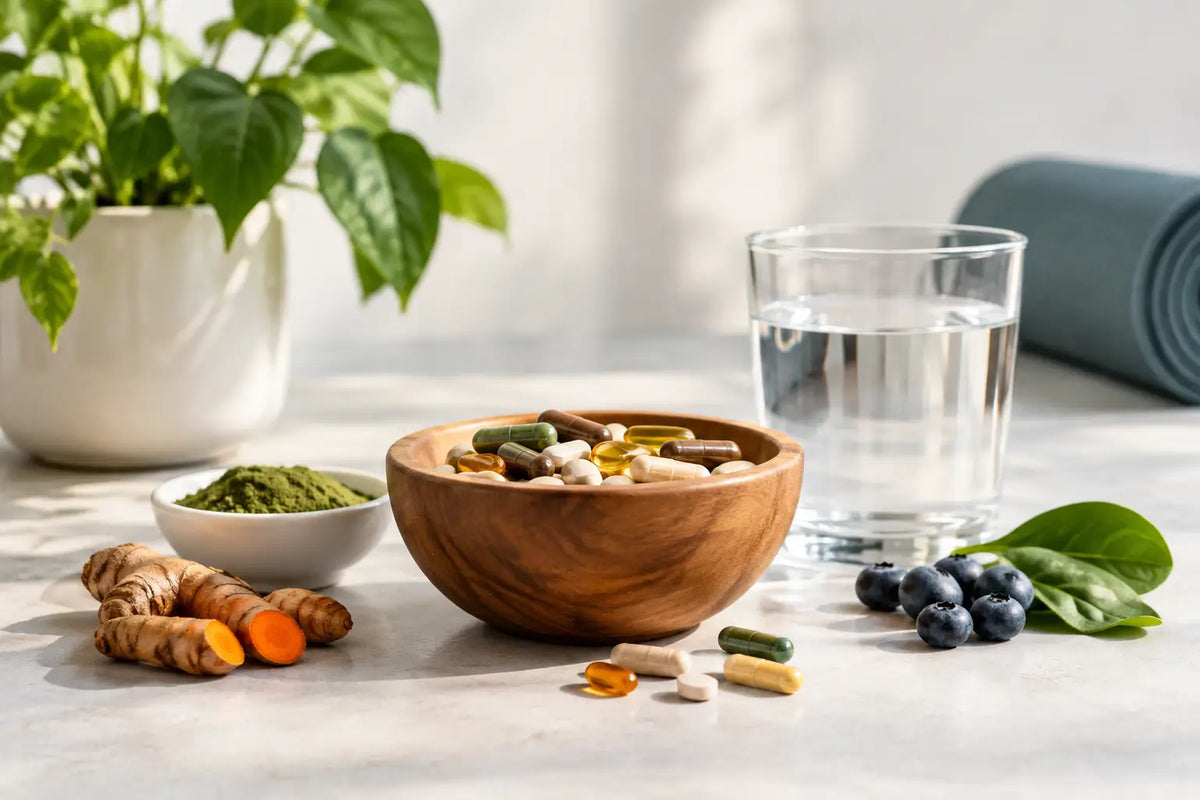
Natural Supplements for an Intentional Wellness Routine
A supplement cabinet can easily become cluttered with half-used bottles and big promises. A more elevated approach begins with asking a simpler question: what would genuinely support your daily rhythm? Natural supplements can be meaningful additions to a wellness routine when they are chosen with care, used consistently, and paired with nourishing food, rest, movement, and mindful habits.
Wellness is not about collecting every new product or chasing a perfect routine. It is about creating small rituals that help you feel supported in your body and more present in your life. Whether you are focused on energy, digestion, sleep, immunity, or filling a known nutritional gap, the right supplement should feel like a thoughtful tool, not another source of pressure.
What Natural Supplements Can and Cannot Do
Natural supplements are products made with nutrients, botanicals, herbs, or other naturally derived ingredients intended to support the diet and everyday wellness. They may come as capsules, powders, gummies, liquids, teas, or tinctures. The word natural can describe an ingredient's source, but it is not a universal guarantee of quality, purity, effectiveness, or safety.
That distinction matters. A plant-based ingredient can still be poorly sourced, overly processed, incorrectly dosed, or unsuitable for a particular person. Likewise, a beautifully designed label does not replace thoughtful research. The most trustworthy choices are transparent about what is inside, how much is included, and how the product is made.
Supplements are designed to supplement a healthy foundation, not replace one. They cannot make up for consistently poor sleep, a diet missing essential nutrients, chronic stress, or a medical concern that needs professional attention. That is not a limitation to fear. It is a helpful reminder that lasting wellness is built through the full picture of how you live.
Start With Your Real-Life Needs
Before choosing a supplement, take a quiet inventory of your routine. Are you frequently skipping balanced meals? Spending little time outdoors? Training hard and struggling with recovery? Navigating a demanding season that affects sleep or appetite? Your answers can point toward areas worth discussing with a qualified healthcare professional.
A blood test or a conversation with your doctor, pharmacist, registered dietitian, or other licensed clinician can be especially valuable when you suspect a deficiency. This is often more useful than guessing based on a symptom alone. Low energy, for example, may be connected to sleep, stress, iron status, thyroid function, hydration, nutrition, or many other factors.
Choose One Clear Intention
Instead of beginning with five new products, choose one wellness priority and give it your attention. Perhaps you want to support regularity with a fiber-focused routine, improve consistency around hydration, or make your evening wind-down feel more intentional. A focused plan makes it easier to notice what is helping and what is not.
Keep your expectations realistic. Some nutrients may help correct a documented shortfall, while botanical ingredients can have more variable effects from person to person. A supplement that works beautifully for a friend may not be the right fit for your needs, lifestyle, or medications.
How to Read a Supplement Label With Confidence
A clean, informed purchase starts with the Supplement Facts panel rather than the front of the package. This is where you can see serving size, active ingredients, amounts per serving, and the percent Daily Value when one has been established. Be mindful of whether the amount reflects one capsule, two gummies, or a full scoop.
Look for products that clearly identify their ingredients. With herbs and mushrooms, a specific botanical name and plant part can provide more clarity than a vague blend. For minerals and vitamins, the form can matter too. Some forms may be easier to tolerate or better suited to an individual's needs, which is another reason professional guidance can be useful.
Be cautious with proprietary blends that list several ingredients but do not disclose the amount of each one. They are not automatically poor-quality products, but they make it harder to understand what you are taking and compare doses. Transparency is a meaningful part of clean living.
Third-party testing can offer another layer of reassurance. Certifications and independent testing may help verify that a product contains what its label says and is screened for certain contaminants. They do not make every product appropriate for every person, but they are a positive signal when paired with clear sourcing and responsible manufacturing practices.
A Few Ingredients Deserve Extra Care
More is not always better, especially with fat-soluble vitamins, concentrated minerals, stimulants, and herbal extracts. Taking several products with overlapping ingredients can raise your total intake without you realizing it. A multivitamin, wellness powder, and immune formula may all contain the same nutrients.
Herbs can also interact with prescription medications, over-the-counter drugs, and other supplements. This deserves particular care if you are pregnant, nursing, preparing for surgery, managing a health condition, or taking medication for blood pressure, blood sugar, mood, clotting, or immune function. Natural does not mean risk-free, and asking your pharmacist is a practical act of self-care.
Avoid products that promise dramatic weight loss, instant detoxification, disease treatment, or overnight transformation. Responsible wellness brands speak in terms of support, not miracles. Your body deserves products and messaging that respect its complexity.
Create a Routine You Can Actually Keep
The best natural supplements are often the ones you remember to take. Connect your choice to an existing moment in your day: breakfast, your first glass of water, an afternoon beverage, or your evening self-care ritual. Place products somewhere visible and appropriate for storage, away from heat, humidity, and curious children.
Consistency matters more than intensity. Starting with one product at the recommended serving can help you observe how you feel over several weeks. Consider keeping a simple note on energy, digestion, sleep, mood, or any changes you notice. If something causes discomfort or does not feel right, stop taking it and seek guidance.
Your routine can be both practical and personal. Stirring a thoughtfully chosen powder into a morning drink, taking a daily nutrient beside a balanced meal, or preparing herbal tea before a bath can become a pause point in a busy day. These moments are not about perfection. They are a gentle way to return to your own well-being.
Support the Whole Wellness Environment
A supplement routine feels more meaningful when it belongs to a lifestyle that supports it. Build meals around colorful produce, quality protein, fiber-rich foods, and healthy fats. Make room for movement that you enjoy, hydration you can maintain, and rest that helps your nervous system settle.
Your environment matters, too. A peaceful home ritual can make healthy habits easier to repeat. Soft lighting, an essential oil diffuser, a clean-burning candle, a warm bath, or a few quiet minutes with a journal can turn an ordinary evening into a restorative one. HarleyRae believes these small, conscious choices can help elevate your mind, body, home, and lifestyle.
There is no single ideal routine for everyone. The right combination depends on your health history, budget, dietary pattern, preferences, and season of life. A simple, well-chosen supplement paired with a steady daily practice will usually serve you better than an overflowing shelf of products you never use.
Let your wellness routine be an expression of care rather than a test to pass. Choose with curiosity, listen to your body, and make space for the small rituals that help you feel grounded, nourished, and ready to elevate your life.



Leave a comment
This site is protected by hCaptcha and the hCaptcha Privacy Policy and Terms of Service apply.