
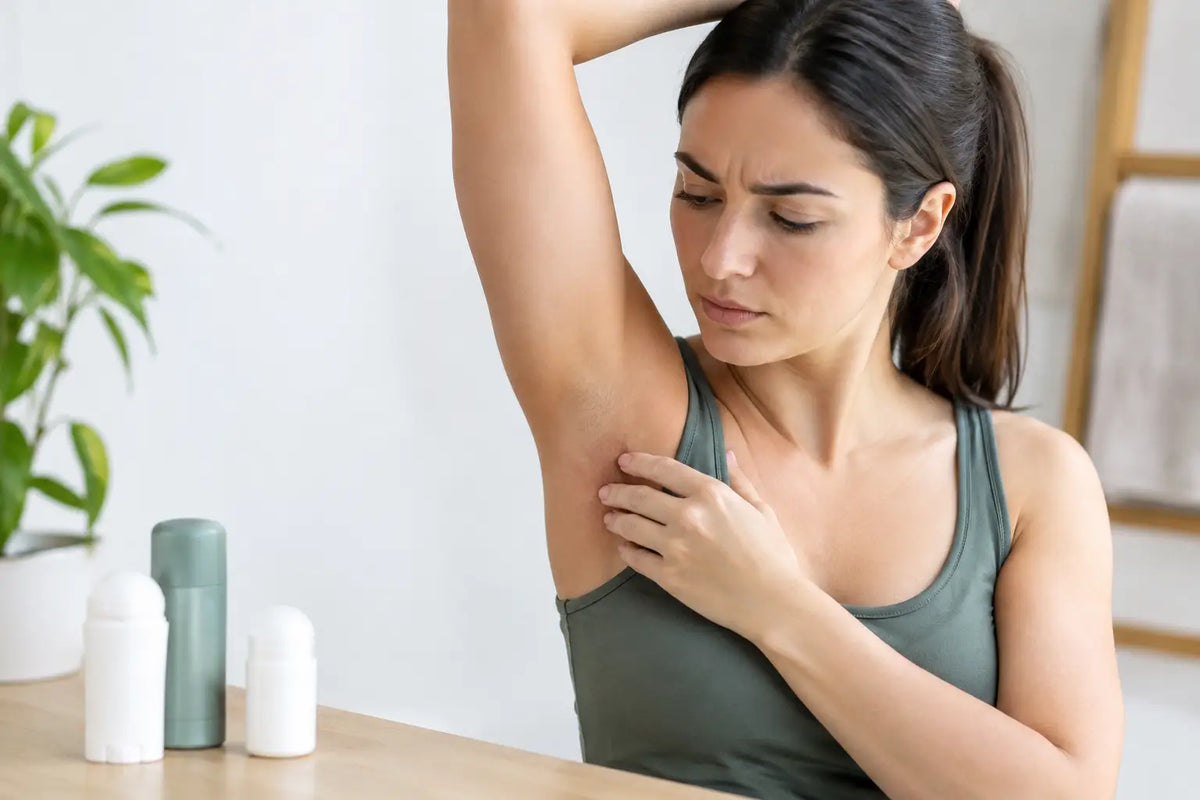
What Deodorant Detox Symptoms Mean When Switching
That first week with a new natural deodorant can be unexpectedly personal: your favorite shirt seems to hold onto odor, your underarms feel wetter than usual, or a little redness appears where you expected a fresh start. “Deodorant detox symptoms” is the phrase many people use for this transition, especially when moving away from an antiperspirant or trying an aluminum-free formula.
The good news is that a change in sweat or odor does not mean your body is failing you. It also does not mean toxins are being pulled out through your underarms. More often, it reflects a practical adjustment in how sweat is managed, how your skin responds to a new formula, and how bacteria interact with the skin. A gentler, more intentional routine can make the process feel far more comfortable.
What “deodorant detox” actually means
Despite its popular name, deodorant detox is not a medically established detox process. Your liver, kidneys, lungs, and digestive system handle the body’s natural waste-removal processes. Sweat is primarily how your body regulates temperature.
What changes when you stop using a conventional antiperspirant is straightforward. Antiperspirants use aluminum-based active ingredients to temporarily reduce the flow of sweat from the underarm area. Deodorants do not stop sweating. Instead, they help manage odor through ingredients that absorb moisture, neutralize odor, or help create a less welcoming environment for odor-causing bacteria.
So, if you switch from an antiperspirant to an aluminum-free deodorant, you may notice more dampness simply because your body is sweating at its usual level again. That can feel dramatic at first, particularly during warm weather, workouts, high-stress days, or a busy commute. It is a difference in product function, not proof that toxins are leaving your body.
Common deodorant detox symptoms when switching
The experience varies from person to person. Some people transition with little more than a few extra laundry loads, while others need time to find a formula and application routine that suits their skin.
More noticeable sweat
This is the symptom people report most often. Aluminum-free deodorant is not designed to block sweat, so underarms may feel damp compared with what you are used to from an antiperspirant. Sweat itself is normal, odorless, and part of the body’s cooling system.
Natural deodorant can still help you feel fresh, but it will not create the same dry-underarm effect as a true antiperspirant. If staying dry is essential for a presentation, event, or long day outdoors, that trade-off matters. Clean living is about making informed choices, not forcing a product to do a job it was never intended to do.
A temporary change in body odor
Underarm odor happens when bacteria break down components in sweat. When your routine changes, the balance of bacteria on the skin, lingering product residue, clothing fibers, and your activity level can all affect how you smell.
You may find that odor seems stronger for several days or weeks, then becomes easier to manage once you establish a consistent routine. However, there is no universal timeline. For some people, the right deodorant works immediately. For others, a different formula is the real answer, not more patience.
Redness, itching, or a rash
Irritation should not be treated as an expected part of a wellness ritual. Baking soda is a common deodorizing ingredient, but it can be too alkaline or irritating for some underarm skin. Essential oils, fragrance, alcohol, and even repeated shaving can also contribute to stinging, itching, bumps, or redness.
If your skin reacts, stop using the product and let the area settle. Choose a fragrance-free or baking soda-free option if you suspect sensitivity. A persistent rash, swelling, blistering, pain, or skin discoloration deserves guidance from a dermatologist or other qualified clinician.
Underarm bumps or tenderness
A small bump may come from an ingrown hair, shaving irritation, friction, or an inflamed hair follicle. It is not evidence of toxins being released. Avoid harsh scrubs, aggressive brushing, or frequent “detox masks” on already irritated skin, as they can damage the skin barrier and make discomfort worse.
A new or growing lump, severe tenderness, drainage, fever, or symptoms that do not improve should be evaluated by a medical professional. Your body deserves attentive care, not guesswork.
How to make the transition more comfortable
A successful switch is usually less about pushing through symptoms and more about creating a simple, supportive routine. Start by applying deodorant to clean, completely dry underarms. Applying it over sweat, damp skin, or residue from another product can reduce comfort and performance.
Give yourself enough product to create a light, even layer, but do not overapply. More is not always better, especially with formulas containing powders or baking soda. If you shave, consider applying deodorant after the skin has had time to calm down rather than immediately after shaving.
Clothing can make a meaningful difference, too. Breathable fabrics such as cotton, linen, and moisture-wicking performance materials can help you stay more comfortable when sweat is noticeable. Wash tops thoroughly, since odor can cling to underarm fibers and make a new deodorant seem less effective than it is.
If odor is your main concern, try adjusting one variable at a time. You might switch to a baking soda-free formula, choose a scent-free option, reapply after exercise, or use a gentle cleanser in the shower. This approach gives you clearer information about what your skin responds to instead of overwhelming it with multiple new products at once.
Do you need an underarm detox mask?
No. Clay, charcoal, and apple cider vinegar masks are often marketed as ways to speed up a deodorant transition, but there is no strong evidence that they remove antiperspirant ingredients or reset the underarm microbiome. For sensitive skin, they may cause dryness, burning, or irritation.
If an occasional mask feels like a calming self-care ritual and your skin tolerates it well, that is your choice. Just keep expectations realistic. The most effective basics are also the least dramatic: gentle cleansing, dry skin before application, an appropriate formula, breathable clothing, and enough time to observe how your body responds.
Choosing a natural deodorant that fits your routine
No single natural deodorant is perfect for every body. Sweat level, skin sensitivity, climate, hormones, stress, and movement all shape the experience. A person who spends most of the day in an air-conditioned office may have different needs from someone teaching fitness classes, working outdoors, or navigating perimenopausal hot flashes.
Look beyond a bold “natural” label and consider the formula. If you are sensitive, baking soda-free and fragrance-free choices are often a thoughtful place to begin. If you enjoy scent as part of your daily ritual, choose a formula with a fragrance level your skin can comfortably handle. Natural ingredients can still cause irritation, so transparency and personal tolerance matter.
HarleyRae views clean daily essentials as small, meaningful choices that support a more elevated routine. An aluminum-free deodorant can be one part of that ritual, alongside mindful hydration, nourishing meals, restful moments, and a home filled with products that feel aligned with your values.
When to seek medical advice
A little extra sweat or a changing scent can be normal during a product switch. But do not assume every underarm issue is “detox.” Speak with a clinician if you have a painful or recurring rash, hives, swelling, open skin, a hard or persistent lump, unexplained night sweats, fever, or a sudden major change in body odor that concerns you.
It is also wise to check in if sweating is interfering with your daily life. Excessive sweating can have medical causes, and effective treatments are available. Choosing a cleaner personal-care routine should feel empowering, not like a reason to ignore symptoms that deserve care.
Your transition does not need to be perfect to be meaningful. Listen to your skin, honor what your body is telling you, and choose the products and rituals that help you feel fresh, comfortable, and more at home in your everyday life.



Leave a comment
This site is protected by hCaptcha and the hCaptcha Privacy Policy and Terms of Service apply.