
How to Use an Oil Diffuser Safely at Home
A diffuser can change the feeling of a room before you finish your first cup of coffee. A light mist of a scent you love can make a rushed morning feel more grounded, signal that it is time to focus, or help your home feel ready for rest. Learning how to use an oil diffuser is simple, but a few thoughtful choices make the experience safer, cleaner, and more beautiful.
Aromatherapy is not about making every moment perfect. It is about creating small, supportive rituals with natural elements that help you feel more at home in your space. Start slowly, use quality oils, and let scent become one more intentional part of your clean-living routine.
How to Use an Oil Diffuser Step by Step
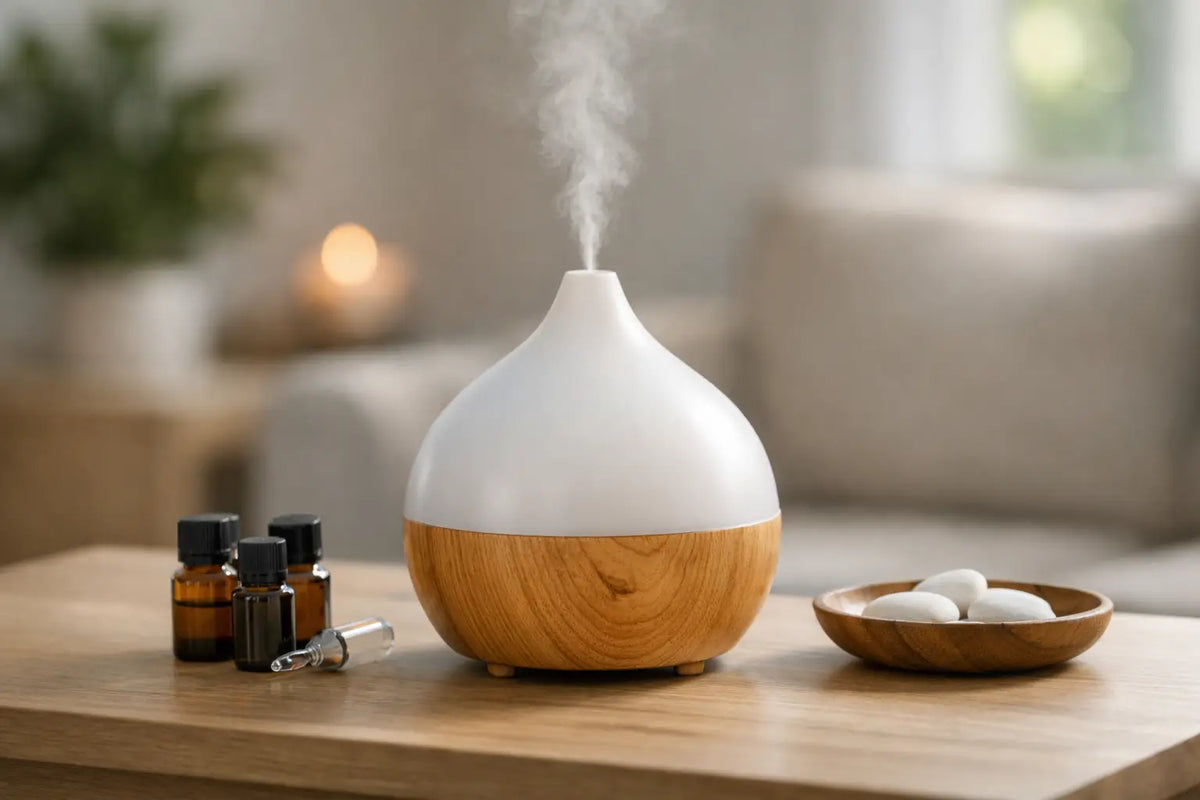
Most home diffusers are ultrasonic models. They use water and vibration to create a fine, cool mist that carries essential oil into the air. Always check the instructions for your specific diffuser first, since water capacity, run times, and cleaning guidance can vary.
Begin by placing the diffuser on a stable, flat surface. A tray, side table, or shelf is ideal, as long as it is away from the edge and protected from repeated moisture. Keep it clear of electronics, paper, unfinished wood, and direct sunlight. If you have a larger room, place it where air can circulate rather than tucking it into a tightly enclosed corner.
Remove the cover and fill the water reservoir with clean, room-temperature water up to the marked fill line. Do not overfill it. Distilled water is often a smart choice, especially if your tap water is hard, because it can help limit mineral buildup inside the unit.
Next, add essential oil. For a small diffuser, begin with three to five drops. Medium and larger reservoirs may need five to 10 drops, but more is not always better. You can add another drop later if the aroma feels too subtle. Starting light gives you more control and keeps the scent from becoming overwhelming.
Replace the cover, plug in the diffuser, and choose the mist setting. A continuous setting works well when you want fragrance for a short period, while an intermittent setting can extend the session and create a softer background aroma. If your diffuser includes a timer, try 30 to 60 minutes to begin.
Once the water is gone, turn the diffuser off and empty any remaining water. Letting water sit for days can lead to residue, duller performance, and an aroma that no longer feels fresh.
Choose Oils That Fit the Moment
The right scent is personal. One person may find citrus bright and motivating, while another prefers its calm, clean character. Rather than chasing a perfect blend, think about what you want your space to support.
In the morning, fresh notes such as lemon, sweet orange, grapefruit, peppermint, or rosemary can create an awake, clear-feeling atmosphere. During a work session, try a simple pairing of citrus and rosemary. For an evening wind-down, lavender, cedarwood, frankincense, or a gentle floral blend can make the transition from activity to rest feel more intentional.
You can use one oil at a time or blend two or three oils together. A good starting point is two drops of one scent and two or three drops of another. For example, orange and cedarwood feel warm and balanced, while lavender and lemon feel soft, bright, and clean. Keep blends simple at first so you can notice what you genuinely enjoy.
Choose pure essential oils from brands that clearly identify the botanical ingredients and avoid vague fragrance-only labeling. Essential oils are concentrated plant extracts, so quality and sourcing matter. If you prefer a fragrance blend designed specifically for diffusers, confirm that it is made for ultrasonic diffusion and follow its directions.
Use Less Than You Think You Need
A diffuser should gently scent a room, not dominate it. If you can smell the oil strongly from several feet away or the aroma starts to feel heavy, reduce the number of drops, shorten the run time, or open a window for fresh air.
For many homes, diffusing in intervals is the most comfortable approach. Run it for 30 minutes, then take a break. This keeps scent from becoming background noise and helps you stay aware of how your body and household respond.
Room size matters too. A compact diffuser is well suited to a bathroom, desk area, or bedside table. Open-concept living spaces may need a larger-capacity model, but it is often better to use two modest diffusers in separate zones than to over-scent one large area.
Diffuser Safety for Pets, Children, and Sensitive Spaces
Natural does not automatically mean right for every person, pet, or setting. Essential oils are potent, and each household has different needs. If you have babies, young children, pets, asthma, allergies, migraines, or other scent sensitivities at home, use extra care.
Keep diffusers out of reach of children and never allow essential oils to be swallowed or applied without proper dilution guidance. Avoid diffusing in a child’s sleeping area unless you have spoken with a qualified health professional and are using an appropriate oil in a very light amount.
For pets, provide an easy way to leave the room and never diffuse in a small, closed space where they cannot get away from the aroma. Birds are especially sensitive to airborne substances and should not be exposed to diffused oils. Cats and dogs can also react differently to particular oils, so consult your veterinarian if you are unsure. Watch for changes such as coughing, drooling, watery eyes, unusual tiredness, agitation, or attempts to leave the area, and stop diffusing if you notice a concern.
Avoid placing a diffuser right beside your bed, a pet bed, or a dining table. A little distance supports a gentler experience. Ventilation is also helpful, particularly when trying a new oil or blend.
Clean Your Diffuser to Keep the Mist Fresh
Regular cleaning protects the life of your diffuser and keeps old oils from mixing into your next ritual. The easiest habit is to empty the reservoir after each use and wipe it dry with a soft cloth.
Every few uses, unplug the unit and clean the reservoir according to the manufacturer’s instructions. Many ultrasonic diffusers can be wiped with a soft cloth dampened with water and a small amount of white vinegar. Use a cotton swab to gently clean around the ultrasonic plate, where residue can collect. Never submerge the base or pour water into the air outlet.
If a previous oil has a particularly strong scent, such as peppermint or patchouli, a more thorough cleaning before your next blend can help preserve its true character. Clean equipment is part of clean living: a small act of care that makes the ritual feel better every time.
Create a Diffusing Ritual That Feels Like You
The most meaningful diffuser routine is one you will actually use. You might set one near your entryway with a bright, welcoming citrus blend before guests arrive. You may prefer a quiet moment after a shower, pairing a calming aroma with a cup of herbal tea, a journal, or a few minutes of breathwork.
Your diffuser can also complement the rest of your home fragrance choices. Use it for a lighter, water-based aroma during the day, then shift to a clean candle or wax melt later when you want a warmer evening atmosphere. This lets each ritual have its own place without layering too many scents at once.
At HarleyRae, we believe a home becomes more restorative through the small choices that reflect your values. A thoughtfully used diffuser is not just decor or fragrance. It is an invitation to pause, breathe, and shape your surroundings with greater intention.
Let your first blend be simple. Fill the reservoir, add a few drops of an oil that makes you feel good, and give yourself permission to enjoy the quiet shift it creates. These everyday moments are where a more elevated life begins.

Leave a comment
This site is protected by hCaptcha and the hCaptcha Privacy Policy and Terms of Service apply.