
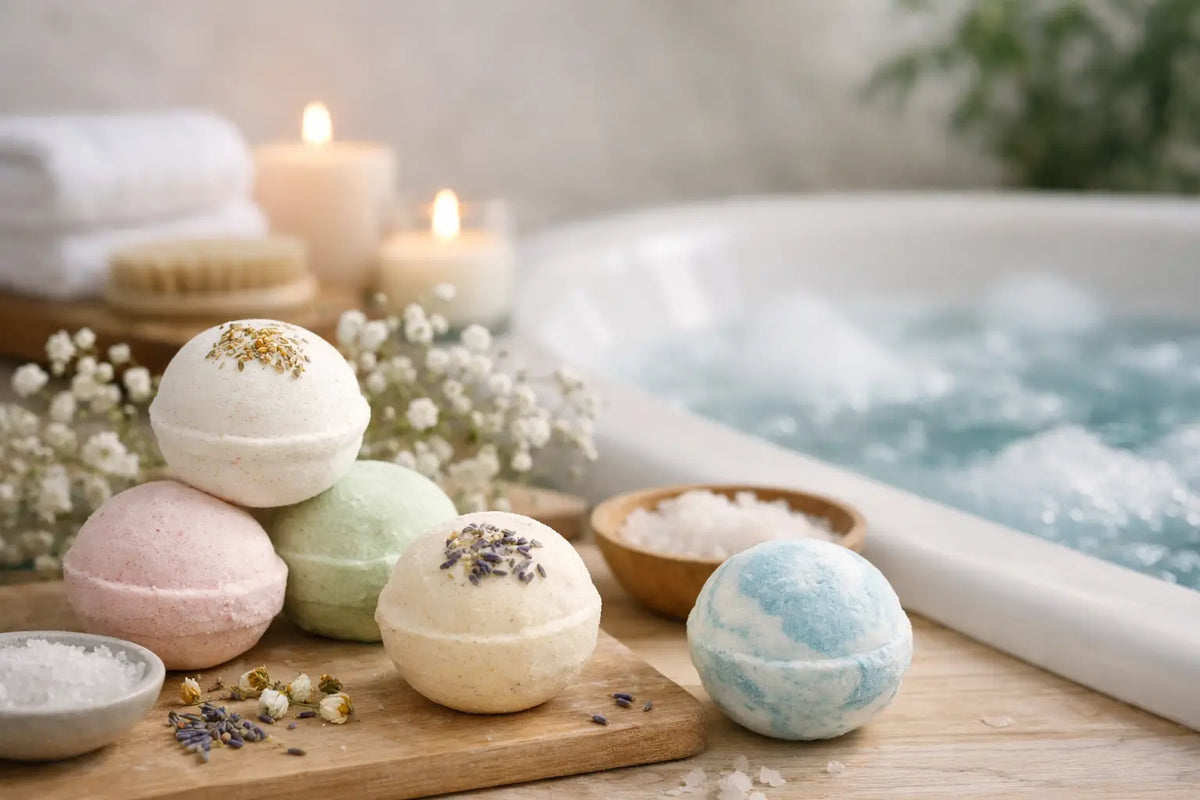
Best Bath Bombs for Sensitive Skin and Calm Soaks
A bath bomb should turn the tub into a small act of restoration, not leave your skin feeling tight, itchy, or uncomfortable afterward. The best bath bombs for sensitive skin create that comforting fizz and beautiful ritual while keeping the ingredient list thoughtfully simple. For anyone building a cleaner personal-care routine, that difference matters.
Sensitive skin is not one-size-fits-all. Some people react to synthetic fragrance, while others struggle with dyes, essential oils, or even a product that is too acidic or too drying for their skin barrier. Choosing a gentler bath bomb starts with understanding what your skin responds to and giving yourself permission to keep the ritual uncomplicated.
What Makes a Bath Bomb Better for Sensitive Skin?
Bath bombs generally fizz because an acid, often citric acid, reacts with sodium bicarbonate in water. That classic reaction is not automatically a problem for sensitive skin. The concern usually lies in the extras added for color, scent, shimmer, and visual drama.
A sensitive-skin-friendly option typically has a short, recognizable formula and avoids ingredients that may cause unnecessary irritation. Look for bath bombs made with simple bases, skin-supportive oils or butters, and a transparent ingredient list. If a brand does not clearly state what is inside, it is difficult to make an informed choice.
The gentlest experience is often less about finding a product labeled "natural" and more about choosing one made without your personal triggers. Natural ingredients can still cause sensitivity. Lavender essential oil, for example, may feel soothing to one person and irritating to another. Clean living is most empowering when it is personal, informed, and realistic.
Ingredients to Look for in the Best Bath Bombs for Sensitive Skin
A thoughtful bath bomb does not need a long list of ingredients to feel special. A few well-chosen additions can support a more comfortable soak.
Colloidal oatmeal
Finely milled oatmeal, often called colloidal oatmeal, is a familiar ingredient in gentle skin care. It can help make bathwater feel more comforting for dry, reactive, or easily irritated skin. It also offers a soft, creamy quality that fits beautifully into an evening wind-down ritual.
Gentle plant oils and butters
Coconut oil, sunflower oil, jojoba oil, shea butter, and cocoa butter can help counter the dry feeling some people experience after bathing. They are not a cure for sensitive skin, and richer oils may not suit everyone, especially those prone to body acne. Still, in a balanced formula, they can leave skin feeling more nourished rather than stripped.
Unscented or very lightly scented formulas
For highly reactive skin, fragrance-free is usually the most reliable starting point. If you enjoy a subtle aromatic moment, choose a product that uses a light scent and test it carefully first. A bath bomb does not need to perfume the entire room to make a soak feel intentional.
Simple mineral clays, with care
Kaolin clay is sometimes included for a silky feel and a gentle, natural-looking finish. It is often well tolerated, but every formula is different. If your skin is very dry, follow the bath with a plain, fragrance-free body moisturizer to help support your skin barrier.
Ingredients That May Be Worth Avoiding
A colorful, heavily scented bath bomb can be fun, but sensitive skin may prefer a quieter formula. The following ingredients are common reasons to pause, especially if you know your skin tends to react.
- Synthetic fragrance or parfum, particularly when the specific fragrance components are not disclosed
- Artificial dyes and intense colorants that may leave residue on skin or the tub
- Heavy glitter, mica blends, or confetti that can feel irritating or create extra cleanup
- Strong essential oil blends, including cinnamon, peppermint, citrus, and eucalyptus
- Harsh surfactants or foaming agents that may leave skin feeling dry
Read the Label Like a Clean-Living Shopper
Ingredient labels can feel overwhelming at first, but a few simple habits make them easier to navigate. Start by looking for the full ingredient list, not just front-label claims such as "gentle," "clean," or "made with essential oils." Those phrases can be useful, but they do not tell the full story.
Scan for fragrance, dyes, and ingredients you already know do not work for you. Then consider the order of the list. Ingredients are generally listed from highest to lowest amount, though very small amounts can be listed in a different order near the end. A bath bomb built around baking soda, citric acid, and a modest amount of skin-loving oil is often easier to evaluate than one packed with decorative additions.
If you have eczema, rosacea, psoriasis, recurring rashes, or a diagnosed contact allergy, it is wise to check with a dermatologist before trying new bath products. A bath bomb is a lovely self-care tool, but it should never replace medical guidance for persistent skin concerns.
Patch Test Before You Plan a Full Soak
Even a gentle-looking formula deserves a small trial. Sensitivity can develop over time, and a product that works beautifully for a friend may not work for you.
To patch test, dissolve a small piece of the bath bomb in warm water and apply a little of that water to a small area of skin, such as the inner arm. Let the area dry and watch for redness, itching, burning, or bumps over the next 24 to 48 hours. If your skin reacts, skip the product.
A patch test cannot guarantee that a full bath will be reaction-free, but it is a thoughtful first step. For your first soak, use half a bath bomb rather than the whole one, keep the bath brief, and rinse with lukewarm water afterward. This approach gives you a chance to enjoy the ritual while staying attentive to what your body is telling you.
Make the Bath Itself More Skin-Friendly
The bath bomb is only one piece of the experience. Water temperature, soak time, and what you do after the bath can all affect sensitive skin.
Keep the water warm rather than hot. Steamy water may feel relaxing in the moment, but it can worsen dryness and leave reactive skin feeling flushed. Aim for a 10- to 15-minute soak, especially when trying a new product. Longer is not always better when your skin barrier is already stressed.
Afterward, gently pat your skin dry instead of rubbing it with a towel. Apply a simple, fragrance-free moisturizer while your skin is still slightly damp. This small step helps seal in hydration and can make a bigger difference than adding more products to the bath.
If you want your ritual to feel more elevated without adding potential skin triggers, build the atmosphere around the water. Dim the lights, play a calming playlist, wrap up in a soft robe, or place a clean-burning candle nearby. Keep candles safely away from towels, water, and the tub's edge. The most restorative rituals often come from the full environment, not from packing every possible ingredient into one bath.
When a Bath Bomb May Not Be the Best Choice
There are times when it is kinder to your skin to skip bath bombs altogether. Avoid them if you have open cuts, an active flare-up, sunburn, a current infection, or skin that stings even in plain water. In those moments, a lukewarm rinse and a simple moisturizer may be the more supportive form of self-care.
You may also find that a plain colloidal oatmeal bath or a small amount of a doctor-approved bath oil is a better fit than a fizzy product. This is not a failure of the ritual. It is a reminder that intentional living means choosing what serves you in the season you are in.
At HarleyRae, we believe small, conscious choices can help you Elevate Your Life. Choosing a bath bomb with gentler ingredients is one of those choices: a way to create a peaceful pause that honors both your comfort and your well-being.
Your best bath does not have to be the brightest, strongest-smelling, or most elaborate one. Let it be the soak that leaves your body relaxed, your skin comfortable, and your evening a little more grounded.


Leave a comment
This site is protected by hCaptcha and the hCaptcha Privacy Policy and Terms of Service apply.