
How to Create a Meditation Space at Home
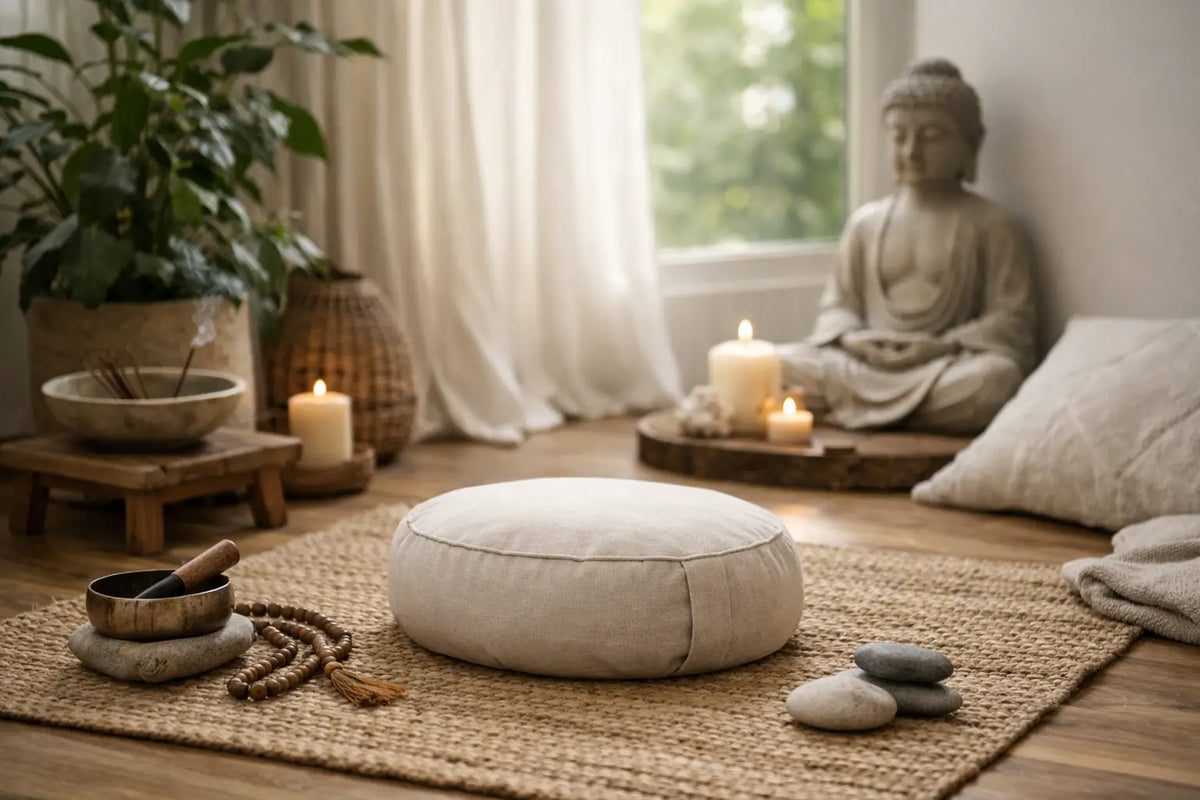
A meditation space does not need to be a perfectly styled spare room with floor cushions lined in a row. It can be the quiet end of your bedroom, a cleared corner near a window, or even a small basket you bring out beside your favorite chair. Learning how to create a meditation space is really about giving your mind a reliable visual cue: when you come here, you can soften, breathe, and return to yourself.
The most meaningful spaces are not built all at once. They are shaped through small, intentional choices that support the way you actually live. A clean surface, a comforting scent, a supportive seat, and five uninterrupted minutes can become a powerful daily ritual.
Start With a Space You Can Return To
Consistency matters more than square footage. Choose a spot that is easy to access at the time you are most likely to meditate. If mornings are your quietest time, a bedroom corner may be ideal. If your home is busy before work or after school, a chair in a tucked-away area might make more sense than a formal setup no one uses.
Look for a place with as few interruptions as possible. That does not mean it must be silent. The hum of a ceiling fan, soft rain, or distant neighborhood sounds can become part of the experience. What matters is that the space feels separate from the tasks competing for your attention.
If privacy is limited, create a portable ritual instead. Keep a small tray, lidded basket, or cloth pouch with your meditation essentials. Bringing out the same few items signals that it is time to pause, even if your setting changes from day to day.
Clear the Visual and Mental Clutter
Your meditation space should feel restful, not like another project to manage. Begin by removing what does not belong there: laundry, chargers, paperwork, unfinished drinks, and anything that reminds you of a task waiting to be done. You do not need an empty room, but you do need enough visual breathing room to settle in.
Then clean the area in a way that feels aligned with your home. Wipe down the surface, refresh textiles, and open a window for a few minutes when weather allows. A clean environment can make the beginning of a practice feel more intentional, especially after a long day.
Choose a simple foundation: a low table, shelf, tray, or section of the floor. Let it hold only the items that help you arrive. Too many objects can turn a peaceful corner into decor rather than a place you want to use.
Let comfort be practical
Meditation is not a test of how still or uncomfortable you can be. Use a cushion, folded blanket, supportive chair, or yoga mat based on what your body needs. Sitting upright can help you stay alert, but upright does not have to mean cross-legged on the floor.
If you experience hip, knee, or back discomfort, sit in a chair with both feet grounded. Add a small pillow behind your lower back or place a folded blanket under your hips. The goal is a posture you can maintain with ease, not perfection.
Use Light to Set the Mood
Lighting has a quiet influence on the nervous system and the overall feeling of a room. Natural daylight can make a morning meditation space feel fresh and open. In the evening, softer light often helps your body transition away from the stimulation of screens and daily obligations.
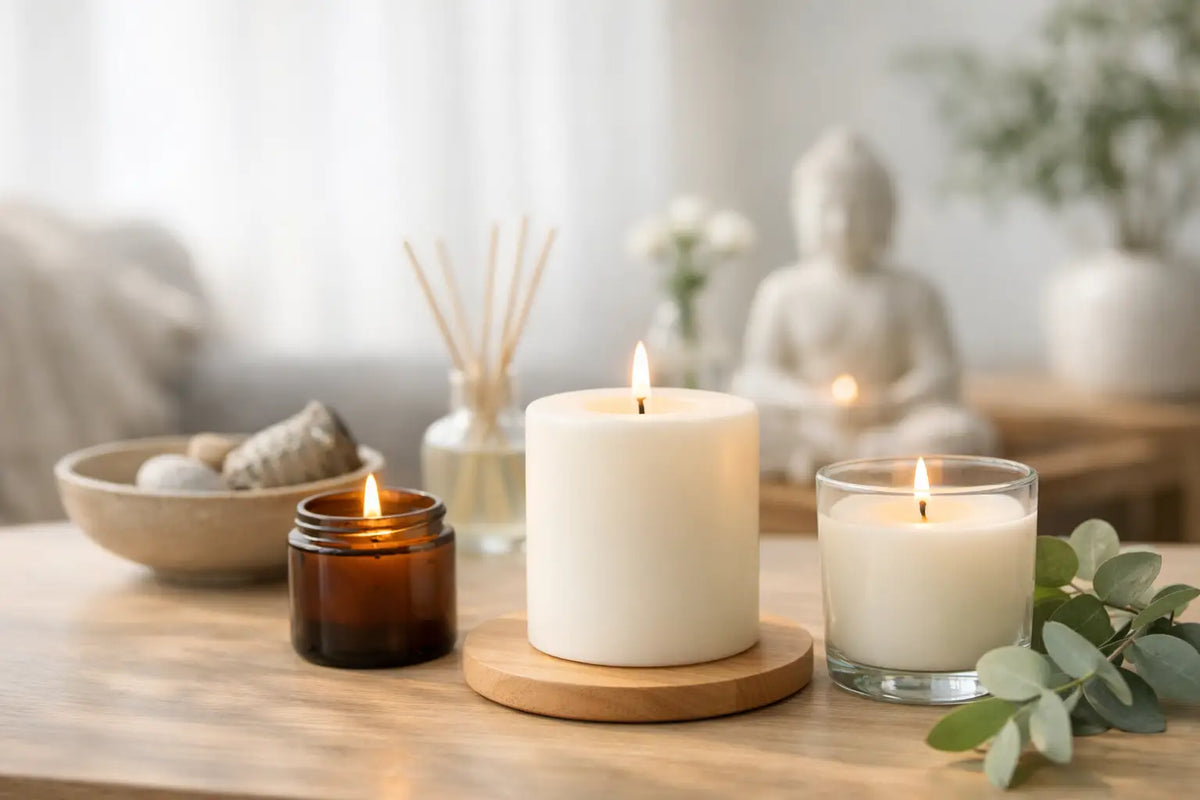
A small lamp, salt lamp, or clean-burning candle can create a gentle focal point. If you use candles, place them on a stable heat-safe surface, keep them away from curtains and bedding, and never leave them unattended. Non-toxic home fragrance choices can be a thoughtful part of a cleaner ritual, but safety and ventilation always come first.
For homes with children, pets, scent sensitivities, or limited airflow, an unscented candle or warm lamp may be the better fit. Your space should support your well-being, not create a headache or add another concern to your routine.
Add Scent With Intention, Not Excess
Scent can become a powerful memory marker. When you notice the same grounding aroma each time you sit down, your brain may begin to associate it with rest and presence. The key is keeping it subtle.
An essential oil diffuser with a light amount of lavender, cedarwood, bergamot, or eucalyptus can help create a calming atmosphere. A natural soy candle, wax melt, incense, Palo Santo, or sage may also have a place in your ritual if those options feel right for you. Each offers a different experience: a diffuser is easy and low-maintenance, while smoke-based practices can feel ceremonial but require more attention to ventilation.
Use one scent at a time rather than layering several fragrances. If you share your home, ask what works for everyone in the space. People with asthma, migraines, allergies, pets, or small children may prefer a fragrance-free meditation corner. Mindful living includes honoring the needs of the people and animals around you.
Choose Meaningful Objects for Your Meditation Space
A few personal elements can make your practice feel inviting. Think of these objects as anchors, not requirements. A favorite journal may encourage reflection after meditation. A small bowl can hold a written intention. A photograph of a place that brings you peace can remind you to slow down.
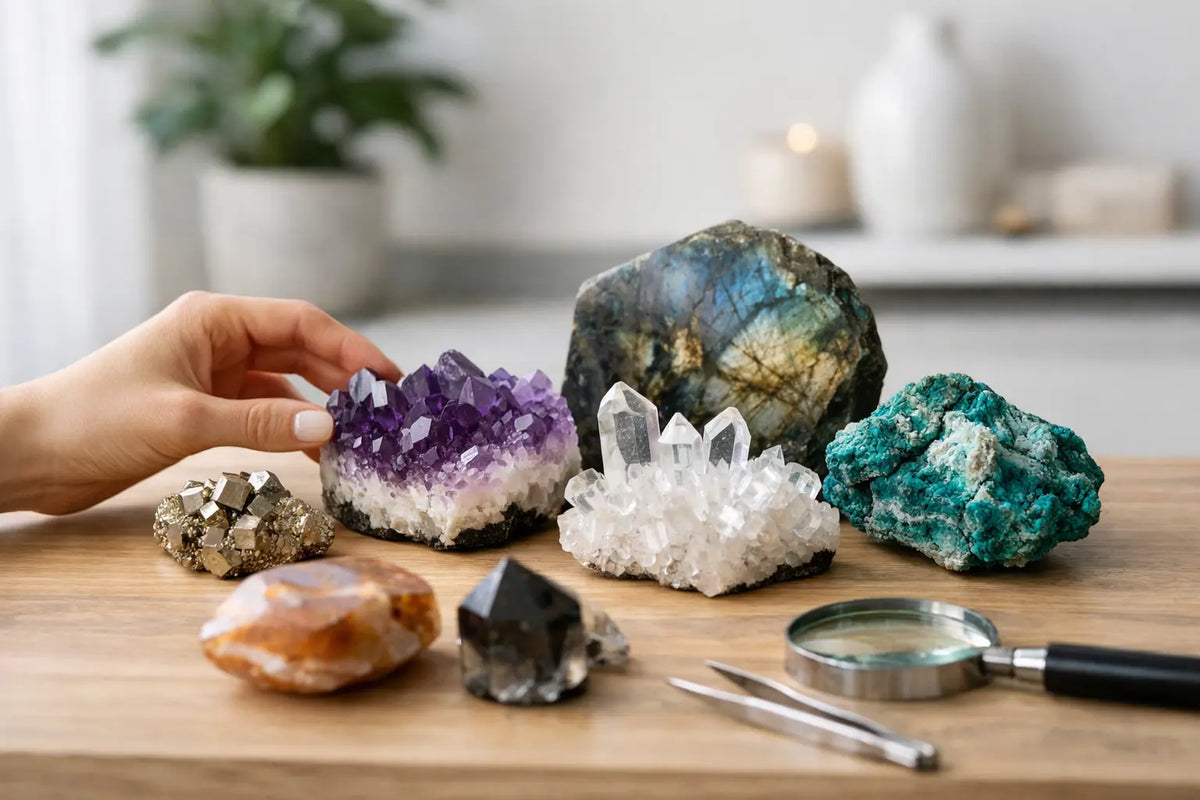
Crystals and gemstones are another meaningful option for people who enjoy their symbolism, natural beauty, and grounding presence. You might choose clear quartz for clarity, amethyst for a soothing visual touch, or black tourmaline as a reminder to create healthy energetic boundaries. There is no need to assign a complicated meaning to every stone. Select what you genuinely feel drawn to.
A single crystal tower, sphere, or palm stone can be enough. Place it where you can see it without letting it become a distraction. HarleyRae believes natural elements can be beautiful tools for building rituals that feel personal, peaceful, and elevated.
Create a Ritual That Makes Starting Easier
The hardest part of meditation is often beginning. A simple opening ritual reduces that friction. You might straighten your cushion, turn on a diffuser, light a candle, place one hand over your heart, or take three slow breaths before setting a timer.
Keep the ritual short enough that it supports meditation rather than replacing it. Two minutes of preparation is plenty. The purpose is to move from doing into being.
Consider keeping a journal nearby for a brief check-in. Before you sit, write one sentence about what you are carrying. Afterward, write one word that describes how you feel. Over time, this small practice can help you notice patterns in your energy, stress, sleep, and emotional well-being.
Make room for real life
Your meditation space will not always be serene. A dog may bark, a child may call for you, or your mind may replay the whole day the moment you sit down. None of that means you are doing it wrong.
Try to meet interruptions with flexibility. If you only have three minutes, take three minutes. If your chosen corner becomes unavailable, use your portable setup. A practice that adapts to real life is more likely to last than one that depends on ideal conditions.
How to Create a Meditation Space You Will Actually Use
The best meditation space is one that feels easy to enter and easy to maintain. Avoid buying a collection of items before you know what supports your practice. Start with a comfortable place to sit, a clear surface, and one sensory element you enjoy. Add to it gradually as your ritual becomes more established.
Set a realistic rhythm, too. Five or ten minutes several times a week may serve you better than an ambitious daily promise that creates pressure. Place your phone out of reach or turn on a simple timer, then give yourself permission to be exactly where you are.
Over time, your corner may become more than a place to meditate. It can be where you drink your morning wellness beverage, stretch before bed, pull a card, write a gratitude note, or simply sit in silence. That is the beauty of creating a home with intention: small spaces can support big shifts.
Let your meditation space be a gentle invitation, not another standard to meet. Return to it often, refine it when your needs change, and allow it to remind you that elevating your life can begin with one quiet breath.

Leave a comment
This site is protected by hCaptcha and the hCaptcha Privacy Policy and Terms of Service apply.