
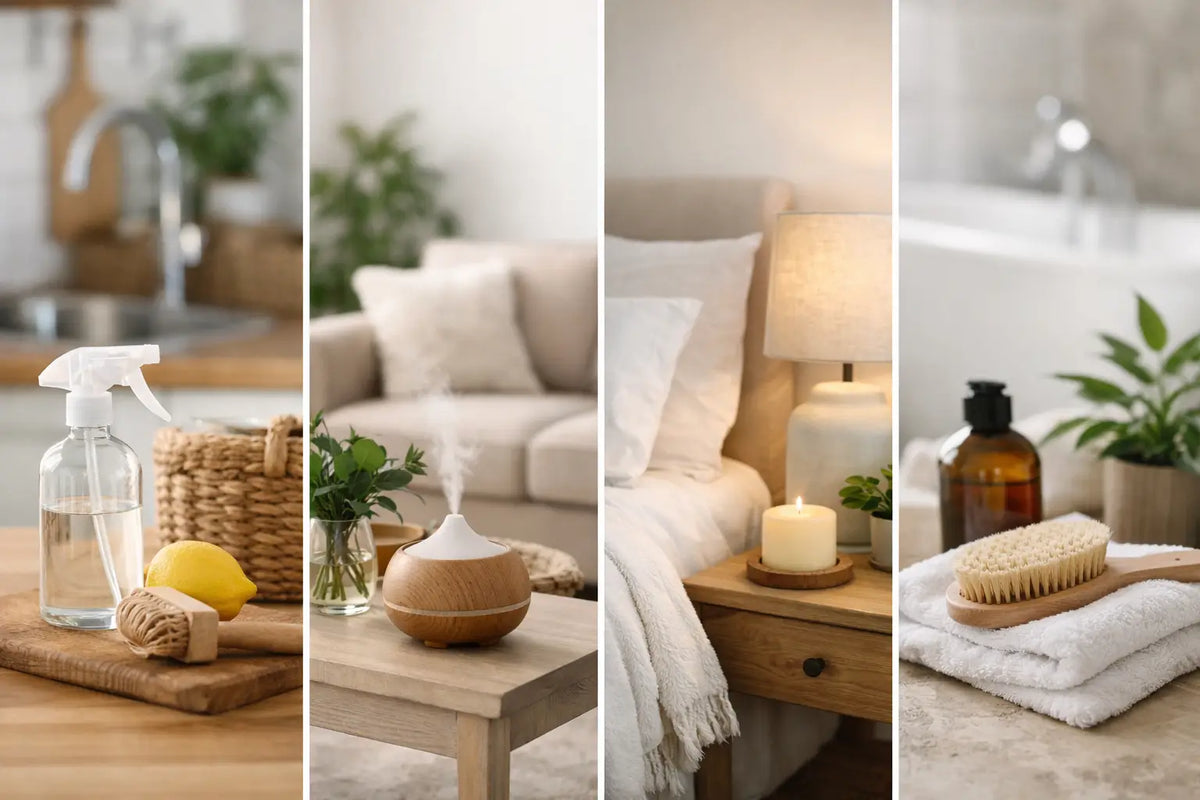
How to Reduce Household Toxins Room by Room
The kitchen counter spray, the hand soap by the sink, the candle on the coffee table, and the lotion on your nightstand all become part of your daily environment. Learning how to reduce household toxins is not about creating a perfectly pure home or throwing everything away overnight. It is about noticing what you use most, choosing cleaner alternatives when it makes sense, and creating a space that supports the way you want to feel.
A healthier home can be built slowly and beautifully. Start with what touches your skin, what you breathe in, and what you use every day. Those small shifts can become grounding rituals that help you Elevate Your Life.
Start With Exposure, Not Perfection
The word toxin can feel overwhelming because it covers many things, including ingredients that may be irritating, products that release strong fumes, and substances that are less welcome in the home than in a lab. Dose, frequency, ventilation, personal sensitivities, and life stage all matter. A product used once in a well-ventilated space is different from one used several times a day in a small bathroom.
Instead of trying to eliminate every possible concern, focus on reducing unnecessary exposure. Begin with products that are used often, cover large areas, linger in the air, or sit directly on your skin. This approach is more realistic, more affordable, and easier to sustain.
Before replacing anything, use what you have safely whenever possible. Toss products that are expired, leaking, unlabeled, or clearly causing irritation. For everything else, make a simple note of your next replacement. When the dish soap runs out, choose a cleaner option. When you need deodorant, look for an aluminum-free formula that feels good in your routine. Progress works best when it fits real life.
How to Reduce Household Toxins in the Kitchen
The kitchen is a powerful place to begin because it combines food preparation, cleaning, water, and storage. A few intentional swaps can make a noticeable difference in your daily rhythm.
Choose mild dish soap and surface cleaners with clearly listed ingredients and without a heavy artificial fragrance if scent sensitivities are a concern. For many everyday messes, warm water, a gentle soap, and a reusable cloth do the job well. Stronger products still have a place for specific disinfecting needs, such as illness in the household or certain food-safety situations. Follow the label exactly, ventilate the room, and never mix cleaning products.
Food storage deserves attention, too. Replace cracked or heavily worn plastic containers over time with glass, stainless steel, or food-grade silicone options. It is especially wise to avoid heating food in plastic unless the container is specifically designed for that purpose. A glass container for leftovers and a stainless steel water bottle are simple upgrades that can last for years.
If you are considering a water filter, the right choice depends on your local water supply, your budget, and what you want filtered. Reviewing your local water report can help you decide whether a basic pitcher filter, a faucet-mounted option, or a more comprehensive system is appropriate. A filter is useful only when it is maintained, so put replacement dates on your calendar.
Make Cleaning Feel Lighter
A clean home should not leave the room smelling harsh or make your eyes water. Open a window when weather allows, turn on an exhaust fan, and use the least intensive product that will do the job. Fresh air is one of the simplest tools for supporting a more comfortable indoor environment.
You do not need a different bottle for every surface. A small, thoughtfully chosen cleaning routine can cover most needs: a gentle all-purpose cleaner, dish soap, a bathroom cleaner suited to your surfaces, and a laundry product that works for your household. If you have babies, pets, asthma, eczema, or fragrance sensitivities at home, unscented or lightly scented products may be especially helpful.
Read labels with a calm, practical eye. Look for full ingredient transparency when available, clear directions, and brands that explain how a product is meant to be used. Terms such as natural or clean can be helpful starting points, but they do not replace checking the ingredient list or considering your own needs. A botanical ingredient can still cause a reaction for some people.
Rethink Home Fragrance and Indoor Air
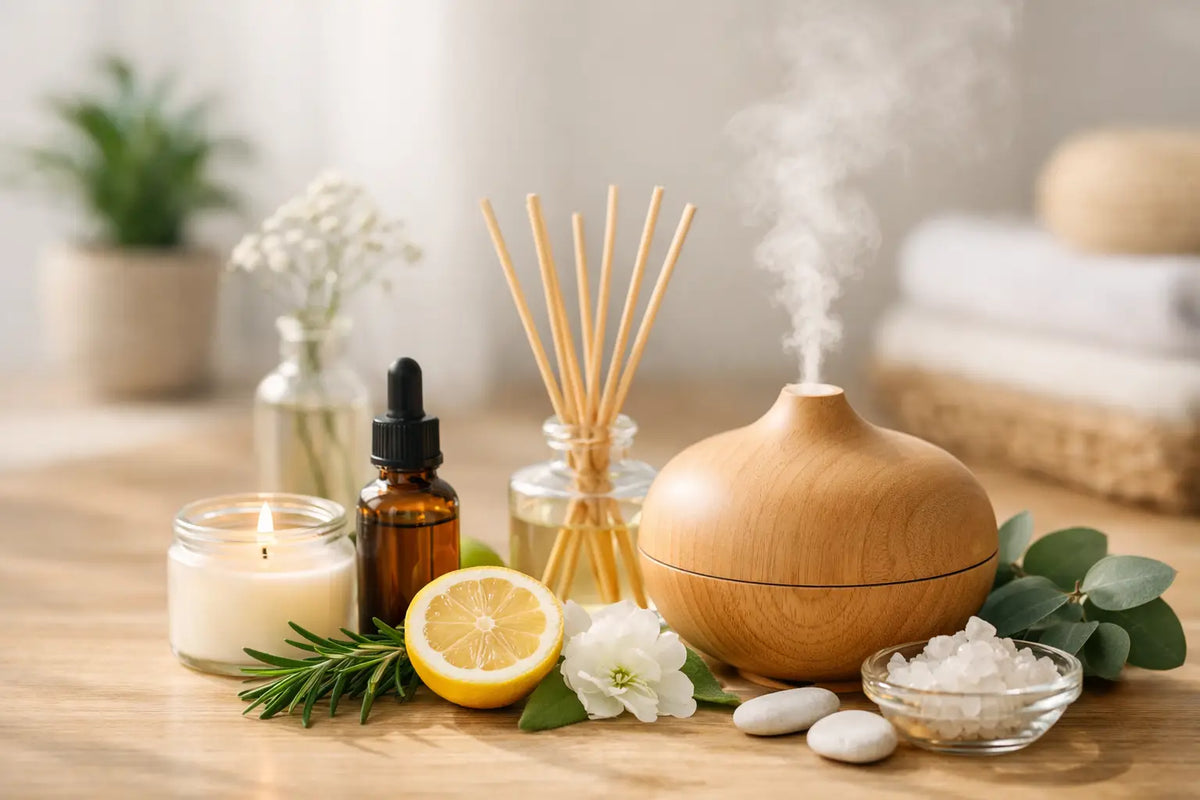
Scent has a remarkable ability to shape a home. A favorite aroma can signal the end of a workday, deepen a bath ritual, or make guests feel welcomed. The goal is not to remove every scent from your space. It is to choose fragrance more intentionally and give your indoor air room to breathe.
Be cautious with products that create an overpowering, persistent scent, especially in closed rooms. Air out your home regularly, vacuum and dust with a well-maintained vacuum, and wash fabrics that hold onto odors. Sometimes the most refreshing choice is clean air, sunlight, and a few minutes with the windows open.
When choosing candles or wax melts, look for products made with thoughtfully selected materials and transparent fragrance information. Keep candles trimmed and burn them according to directions, on a stable surface and in a ventilated room. Even a clean-burning candle produces combustion byproducts, so moderation and airflow matter. For people with migraines, respiratory concerns, or strong scent sensitivities, an unscented candle or no flame at all may be the better ritual.
Aromatherapy can offer a gentler sensory moment, but essential oils are concentrated. Diffuse lightly, avoid direct skin use unless an oil is properly diluted and intended for topical use, and research pet and child safety before using oils around them. A little can be enough to shift the energy of a room.
Simplify the Bathroom and Personal-Care Shelf
Personal-care products are often used every day, sometimes more than once. That makes the bathroom a meaningful place to create a cleaner routine without turning self-care into a chemistry project.
Begin with the essentials: hand soap, body wash or botanical cleansing bars, moisturizer, deodorant, shampoo, and toothpaste. Replace one item at a time with a formula that has ingredients you recognize or that the brand clearly explains. An aluminum-free deodorant can be a natural next step for those who prefer it, though it may take trial and error to find the texture, scent, and odor protection that works with your body.
Pay attention to your skin. Redness, itching, headaches, or dryness can be signals to simplify a product lineup or talk with a qualified healthcare professional. Fragrance-free is often useful for sensitive skin, while naturally scented options may work well for others. Cleaner living is personal, not one-size-fits-all.
For bath rituals, select products that make the moment feel nourishing rather than overwhelming. A botanical soap, a thoughtfully made bath bomb, soft lighting, and a few quiet minutes can turn an ordinary evening into an intentional reset.
Keep Hidden Sources in Perspective
Household toxins are not limited to what is under the sink. Dust, old paint, deteriorating furniture, pests, mold, and poor ventilation can affect how a home feels and functions. If you suspect lead paint, mold growth, carbon monoxide, or another serious home hazard, avoid DIY guesswork and contact an appropriate qualified professional.
For everyday prevention, take shoes off at the door when practical, use a doormat, wash hands before meals, and damp-dust frequently to keep particles from becoming airborne. Choose simple storage solutions, keep humidity in a comfortable range, and use bathroom and kitchen exhaust fans. These unglamorous habits quietly support a calmer, cleaner home.
New furniture, rugs, mattresses, and paint can also carry strong odors or release compounds as they off-gas. When possible, let new items air out in a ventilated area and avoid bringing several newly manufactured items into a small room at once. It depends on your space and budget, but timing purchases around warmer months or open-window days can make the transition easier.
Create a Low-Tox Home Rhythm
The most lasting changes come from a rhythm you can repeat. Keep a short list of your preferred products on your phone. Set aside one shelf for household essentials, so you can see what needs replacing before you run out. Choose a monthly reset day to wash linens, refresh the bathroom, clean out the refrigerator, and open the windows for a few minutes.
Let your home reflect your values without demanding perfection. Choose the hand soap you enjoy reaching for, the candle that makes your evening feel peaceful, and the everyday essentials that support your well-being. A more intentional home is built through ordinary choices, repeated with care.


Leave a comment
This site is protected by hCaptcha and the hCaptcha Privacy Policy and Terms of Service apply.