
Article: Coffee Versus Matcha: Which Ritual Fits You?
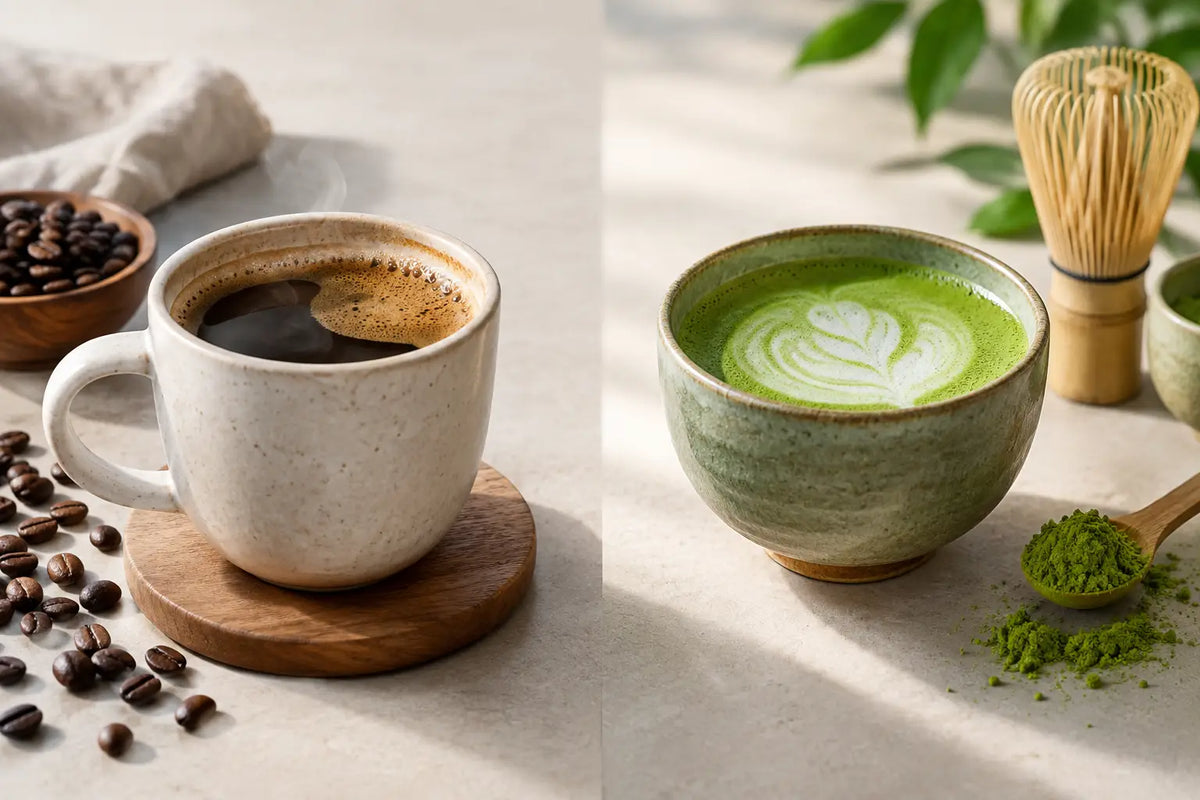
Coffee Versus Matcha: Which Ritual Fits You?
The first sip of the day can shape more than your energy level. It can set the pace for your morning, support a focused work block, or become a small pause that brings you back to yourself. When considering coffee versus matcha, there is no universal winner. The better choice is the one that feels good in your body, fits your routine, and helps you create an intentional ritual you will actually enjoy.
Coffee brings bold flavor, familiar comfort, and a quick lift. Matcha offers a calmer, more gradual kind of alertness wrapped in a vibrant green cup. Both can have a place in a clean, mindful lifestyle - especially when you pay attention to quality, ingredients, preparation, and how each beverage affects you personally.
Coffee Versus Matcha: The Energy Experience
The most noticeable difference between coffee and matcha is often how the energy feels. A typical 8-ounce cup of brewed coffee generally contains more caffeine than a serving of matcha, although the exact amount can vary widely by bean, brew method, portion size, and preparation. Coffee tends to deliver caffeine quickly, which is why it is a trusted companion for early mornings, long drives, and demanding deadlines.
For many people, that immediate lift feels motivating and satisfying. For others, especially when coffee is consumed on an empty stomach or later in the day, it can feel too sharp. Jitters, a racing feeling, digestive discomfort, or an afternoon crash may be signs that the serving size, timing, or type of coffee needs adjusting.
Matcha is finely ground green tea leaf powder, so you consume the whole leaf rather than steeping and discarding it. It contains caffeine, but it also naturally provides L-theanine, an amino acid associated with a more relaxed state of attention. Many matcha drinkers describe the result as steady, clear, and less intense than coffee.
That does not mean matcha is automatically gentle for everyone. It still contains caffeine, and a strong matcha latte can be more stimulating than expected. The most useful approach is to notice your own response rather than relying on a label like “better” or “cleaner.”
Flavor, Ritual, and What You Actually Crave
Coffee and matcha invite different kinds of rituals. Coffee can be earthy, nutty, fruity, chocolatey, or smoky depending on the roast and origin. Grinding beans, hearing the kettle warm, and breathing in the aroma can make a simple cup feel grounding. It is a familiar sensory cue that tells the mind: the day has begun.
Matcha has a grassy, vegetal, slightly savory taste. High-quality matcha can be naturally smooth and lightly sweet, while lower-quality powders may taste bitter or overly astringent. Whisking it with warm water asks you to slow down for a minute. That small act can turn an ordinary beverage into a moment of presence.
If you love the warmth and depth of a rich roast, forcing yourself to drink matcha because it is trending will not elevate your routine. If coffee leaves you feeling overstimulated but you still want a focused morning ritual, matcha may be a meaningful alternative. Wellness works best when it is sustainable, not performative.
A note on lattes and add-ins
The ingredients around your beverage matter just as much as the beverage itself. A thoughtfully brewed coffee or matcha can become less supportive when it is loaded with excessive added sugar, artificial flavors, or heavily processed creamers.
Choose additions that align with how you want to feel. A splash of milk, a plant-based alternative you enjoy, cinnamon, or a modest amount of natural sweetness can make your cup feel nourishing without turning it into a sugar rush. Read labels, especially on ready-to-drink beverages and flavored powders, because “matcha” or “coffee” on the front does not always tell the full ingredient story.
Antioxidants and Everyday Wellness
Both coffee and matcha contain naturally occurring plant compounds with antioxidant activity. Coffee is a major source of antioxidants in many American diets, while matcha is known for catechins, including EGCG. These compounds are one reason people often see both drinks as part of a wellness-minded routine.
Still, no single drink can carry the weight of your health goals. Antioxidants are most meaningful in the context of an overall lifestyle that includes colorful foods, hydration, movement, rest, stress support, and a home environment that feels peaceful and cared for.
Think of your morning cup as one supportive choice among many. Pair coffee or matcha with a balanced breakfast when possible. Step outside for a few minutes of daylight. Light a clean candle after your workday rather than treating caffeine as the only answer to low energy. Small choices, repeated with care, create the rhythm of a high-vibe lifestyle.
When Coffee May Be the Better Fit
Coffee may be your best choice if you genuinely enjoy it, tolerate it well, and appreciate the faster boost it provides. It can fit beautifully into a morning routine before a workout, commute, creative session, or busy family schedule.
Quality makes a difference. Fresh, thoughtfully sourced coffee prepared with simple ingredients offers a more intentional experience than a rushed cup filled with ingredients you would not otherwise choose. If you are sensitive to caffeine but love coffee’s flavor and ritual, consider a smaller cup, half-caf, or decaf earlier in the day.
Coffee can also be an invitation to pause. Instead of drinking it while scrolling or rushing out the door, try sitting near a window, taking three quiet breaths, and enjoying the aroma before the first sip. The ritual is part of the benefit.
When Matcha May Be the Better Fit
Matcha may be a wonderful fit if you want focused energy that feels more even, prefer tea’s flavor profile, or simply want variety beyond coffee. It works well as a midmorning reset, an afternoon alternative when a second coffee feels like too much, or a calm start to a day that already feels full.
Because matcha is made from powdered tea leaves, choosing a quality product matters. Look for pure matcha with a fresh green color and a short, recognizable ingredient list. Ceremonial-grade matcha is often chosen for drinking with water, while culinary-grade matcha can work well in lattes, smoothies, and recipes. These labels are useful guides, but flavor and freshness are ultimately what matter most.
Whisking matcha can also become a mindful practice. You do not need a picture-perfect setup. Warm water, a bowl or cup, and a few unhurried moments are enough to create a ritual that feels restorative.
How to Choose Without Overthinking It
Rather than declaring permanent loyalty to coffee or matcha, let your needs guide the day. Coffee may suit a morning when you need a brighter, quicker lift. Matcha may feel better on a day when you want calm concentration or a gentler afternoon ritual. Some people happily enjoy both, choosing based on timing and how their body feels.
Pay attention to a few personal signals: your energy two to four hours later, your digestion, your mood, and your sleep quality. If you regularly struggle to fall asleep, experiment with moving caffeinated drinks earlier in the day. If either beverage makes you feel unwell, reducing the serving size or having it with food may help. People who are pregnant, managing a health condition, or taking medications should ask a qualified healthcare professional for individualized caffeine guidance.
There is also room for caffeine-free rituals. Herbal tea, warm lemon water, or a mug of decaf can offer the comfort of a pause without additional stimulation. An elevated routine is not about needing a certain drink. It is about choosing what supports your mind and body with intention.
At HarleyRae, we believe your daily cup can be more than a habit. Let it be a small, beautiful signal that you are making space for yourself - one mindful sip at a time.


Leave a comment
This site is protected by hCaptcha and the hCaptcha Privacy Policy and Terms of Service apply.