
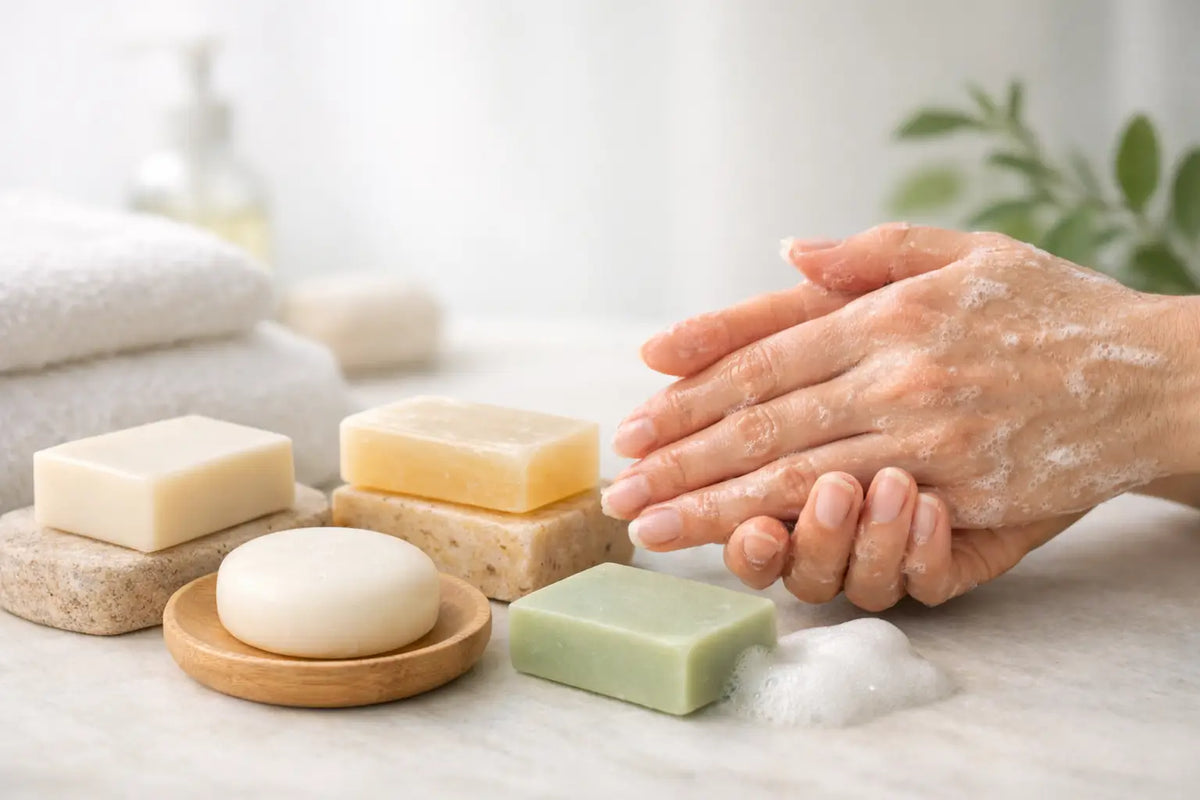
Best Soaps for Dry Hands That Clean Gently
Hands tell the story of your day. They wash dishes, open packages, garden, care for children, type, create, and clean. When they are repeatedly exposed to water, cleansers, cold air, and hand sanitizer, they can quickly feel tight, rough, or uncomfortable. The best soaps for dry hands clean away what does not belong on your skin without leaving your hands feeling like they need to recover afterward.
Choosing a gentler hand soap is a small but meaningful clean-living shift. It turns an automatic habit into a moment of care, helping you create a daily routine that feels more supportive for your body and more aligned with the intentional home you are building.
Why handwashing can leave hands dry
Your skin has a protective barrier made up of natural oils, skin cells, and moisture. Strong cleansing agents, very hot water, frequent washing, and dry indoor air can disturb that barrier. Once it is depleted, water evaporates from the skin more easily, which can lead to flaking, rough patches, stinging, or tiny cracks around the knuckles and cuticles.
Soap is not automatically the problem. Clean hands matter, especially after the bathroom, before preparing food, and after exposure to shared surfaces. The difference often comes down to the formula, how often it is used, and what happens after you rinse.
A bar or liquid soap labeled natural is not necessarily ideal for dry hands, either. Botanical ingredients can be beautiful additions to a ritual, but some essential oils, fragrance blends, or exfoliating particles may be too much for reactive or already irritated skin. Clean living works best when it is personal, practical, and responsive to what your skin is telling you.
What to look for in the best soaps for dry hands
The most comfortable choice is usually a mild cleanser with a short, thoughtfully chosen ingredient list. Look for formulas designed to cleanse gently rather than leave a squeaky-clean feeling. That squeak can sometimes signal that too much of the skin's protective oil has been removed.
Gentle cleansing ingredients
Mild surfactants are the ingredients that lift away oil and debris so they can rinse off with water. In liquid hand soaps, gentler options may include plant-derived cleansers such as decyl glucoside or coco glucoside. In cleansing bars, look for a well-made formula that includes conditioning oils or butters alongside its cleansing base.
For very dry hands, creamy or lotion-like washes can feel more comfortable than highly foaming formulas. Foam is not a measure of cleanliness. A low-lather wash can still do its job beautifully while being less drying for some people.
Skin-supporting additions
Humectants help draw water toward the skin, while emollients soften and smooth its surface. Ingredients such as glycerin, aloe, oat, shea butter, cocoa butter, jojoba oil, olive oil, and sunflower oil are commonly used to give a cleanser a more nourishing feel.
Because soap is rinsed away, these ingredients will not replace a dedicated hand cream. Still, a well-formulated soap can make each wash feel less stripping and help your hands start from a more comfortable place.
A fragrance level that fits your skin
A softly scented botanical soap can make handwashing feel like a peaceful pause. For some people, however, fragrance and essential oils can be a source of sensitivity, especially when hands are cracked, inflamed, or prone to eczema. If your skin reacts easily, choose unscented or fragrance-free soap first.
There is a useful distinction here. Unscented can mean a formula contains fragrance to cover an ingredient's natural smell, while fragrance-free generally means no fragrance ingredients were added. Read the label rather than relying on the front-of-package wording alone.
A formula made for hands, not just for looks
A beautiful bar on the sink can elevate a bathroom or kitchen, but it should also work for real life. Skip heavily scrubby bars for frequent handwashing, particularly those with coarse salt, ground seeds, or pumice. Exfoliation has a place in body care, but dry hands usually need gentleness more than extra friction.
Bar soap or liquid hand soap: which is better?
Neither format wins for every household. A gentle bar soap can be a low-waste, long-lasting choice and often contains rich plant oils and butters. It is especially appealing for a slower sink-side ritual, as long as it is stored on a draining dish so it can dry between uses.
Liquid hand soap is convenient for busy kitchens, shared bathrooms, and families with little ones. Pump dispensers can also help everyone use a sensible amount. Choose a liquid formula that rinses cleanly without an aggressive perfume or an overly drying finish.
Your best option depends on how your hands respond. If one type leaves them tight within minutes, switch formats or formulas for two weeks and notice the difference. Skin care does not need to be complicated to be intentional.
How to wash dry hands more comfortably
A better soap helps, but the entire ritual matters. Start with lukewarm water. Hot water may feel soothing in the moment, yet it can pull more oil from already dry skin. Use enough soap to cover your hands, wash thoroughly for about 20 seconds, then rinse without lingering under running water longer than needed.
Pat hands dry instead of rubbing them vigorously with a towel. Then apply hand cream or balm while skin is still slightly damp. This simple timing helps seal in moisture and is often the step that makes the greatest difference for chronically dry hands.
Keep a nourishing hand cream where the habit happens: beside the kitchen sink, on your desk, in a bag, and near your bed. A product you can see is a product you are more likely to use. At night, a richer balm followed by soft cotton gloves can offer extra comfort when hands are especially rough.
Hand sanitizer can also be drying, particularly when used many times a day. When soap and water are available and appropriate, wash with a mild cleanser. When sanitizer is the practical choice, follow it with hand cream once your hands are fully dry.
Ingredients and habits that may make dryness worse
If your hands stay dry despite switching soap, look beyond the label. Repeated exposure to dish detergent, household cleaners, solvents, and cold outdoor air can all add up. Wear protective gloves for cleaning and dishwashing, and use warm gloves outside during colder months.
Be cautious with strong fragrance, harsh sulfates, antibacterial washes you do not specifically need, and frequent exfoliation. Antibacterial soap is not generally necessary for routine home handwashing. Proper washing with plain soap and water is an effective everyday practice.
Some people also react to preservatives, essential oils, or even certain plant extracts. A natural ingredient is not automatically gentle for every person. If you notice burning, itchiness, redness, or a rash after using a new soap, stop using it and return to a simple fragrance-free formula.
Building a more intentional hand-care ritual
Hand care is easy to overlook because it happens in quick, practical moments. Yet those moments can set the tone for your space. Choose a soap whose ingredients and scent experience feel considered, pair it with a dependable hand cream, and keep the area around your sink calm and functional.
A botanical cleansing bar or gentle liquid hand soap can be one part of a more elevated daily rhythm, alongside clean home essentials, soft lighting, and aromas that help your home feel like a place to reset. HarleyRae believes these smaller choices can support a lifestyle filled with more care, comfort, and intention.
If dry hands are severe, painful, bleeding, or not improving with gentle care, speak with a dermatologist. Conditions such as eczema, contact dermatitis, psoriasis, and infection can require more targeted support.
Your hands do a lot for you. Let each wash be a quiet reminder that practical care can still feel beautiful - one gentle, nourishing choice at a time.



Leave a comment
This site is protected by hCaptcha and the hCaptcha Privacy Policy and Terms of Service apply.